
Watch character locally.
Dependability, teachability, conflict, service, family life, and church relationships reveal more than a dramatic testimony alone.
For churches
Churches help the gospel move outward when they keep the nations visible, pray for laborers, recognize ordinary gifts, prepare people honestly, send with care, and stay in relationship for the long road.
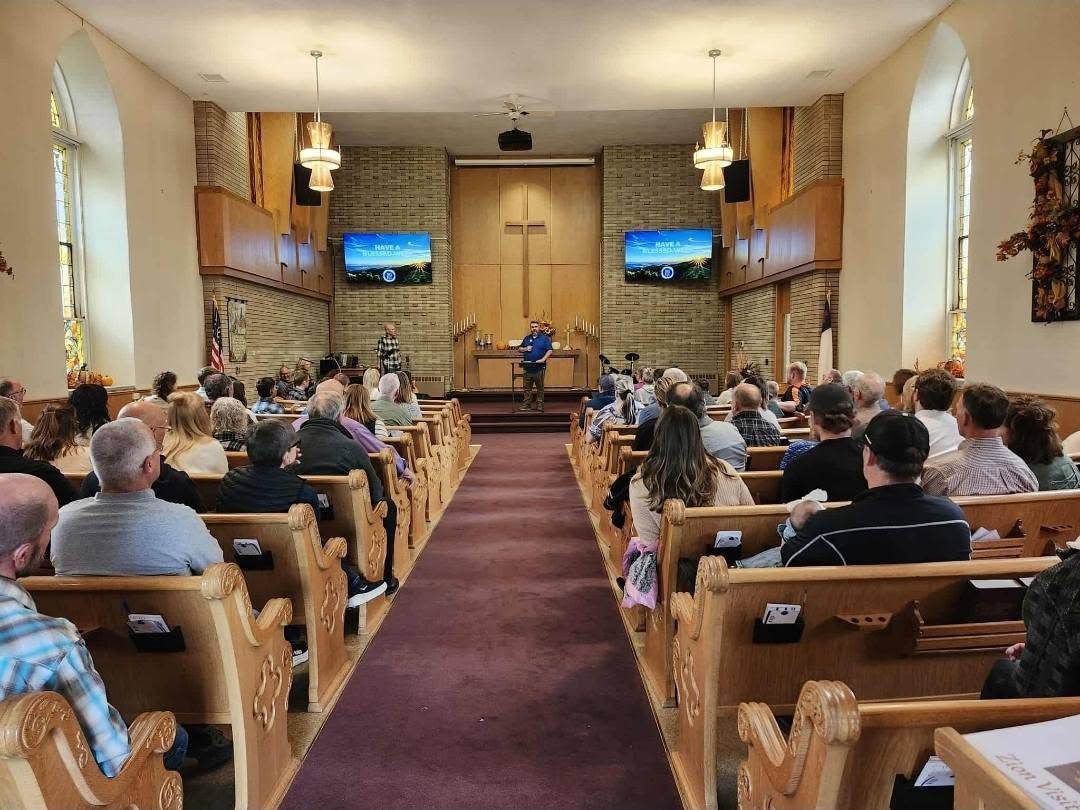
Keep the invitation visible
Tim often thanks churches that continue holding missions conferences because many no longer do. His own direction changed because a missionary came to his church, showed a story from the field, and gave a junior-high student a question he could not forget.
A conference is not the only way to keep missions visible. Churches can regularly pray for specific missionaries and peoples, tell current stories, involve children and students, invite honest questions, and connect members personally with people doing the work.
Pray by name. Let children and adults hear specific names, places, needs, and answers to prayer.
Tell current stories. Help the church see missionaries as people rather than names on a support list.
Make room for questions. Calling often grows through repeated conversations, not one emotional moment.
Show the whole team. Going, sending, caring, giving, hosting, teaching, repairing, and administrating all belong to the work.
Matthew 10 and the sending church
Tim reminds churches that Jesus speaks not only to those being sent. He honors the people who receive, support, pray for, and care for His sent ones.
Build relationships deep enough to notice more than newsletters and ministry statistics.
Ask about language learning, team relationships, children, health, discouragement, local friendships, and the church-planting work.
Write, call, send care, and keep the relationship alive when there is no dramatic update to report.
When workers return, make room for rest, debriefing, family needs, honest stories, and time to reconnect.
Financial support matters, but so do advocacy, practical help, hospitality, encouragement, and long-term friendship.
Before you send
A church can celebrate willingness without pretending enthusiasm is enough. Long-term cross-cultural ministry asks for biblical depth, tested character, relational health, language and culture learning, teamwork, practical competence, and humility.
Dependability, teachability, conflict, service, family life, and church relationships reveal more than a dramatic testimony alone.
Do not overlook builders, bookkeepers, mechanics, teachers, healthcare workers, drivers, administrators, hosts, and problem-solvers.
Help prospective workers pursue preparation that takes Scripture, culture, language, teamwork, and long-term discipleship seriously.
After the missions weekend
A good missions event creates questions. The useful work begins when the church keeps walking with the people asking them.
Follow up with students and adults who expressed interest. Give them missionaries to know, books to read, ways to serve, training to explore, and patient people who will listen without pressuring them toward a predetermined answer.
The goal is not to manufacture missionaries. It is to help believers respond faithfully to what God is showing them.
Use the follow-up resources
Tim and Joan can help a church think through mobilization, sending, missionary care, and the next useful conversation.