
Ordinary people
The Unlikeliest Missionary
Tim spent years assuming missionaries were a special class of Christian. His own story became evidence that God uses ordinary and unlikely people.
Read the storyField stories and road stories
Missions is more than maps and dramatic moments. These stories are about language, practical work, unlikely people, discouragement, long roads, shared meals, open doors, and churches learning how to send and care well.

Papua New Guinea
A six-week assignment at a supply center became about two years of helping five remote church-planting teams remain in place. Someone still had to buy food, move supplies, answer the radio, maintain buildings, host tired families, and solve the problem nobody had predicted.
Language learning and translation are easier to admire from a distance. Tim and Joan learned to admire the work that keeps the translator in the community for another day.
Read the work behind the work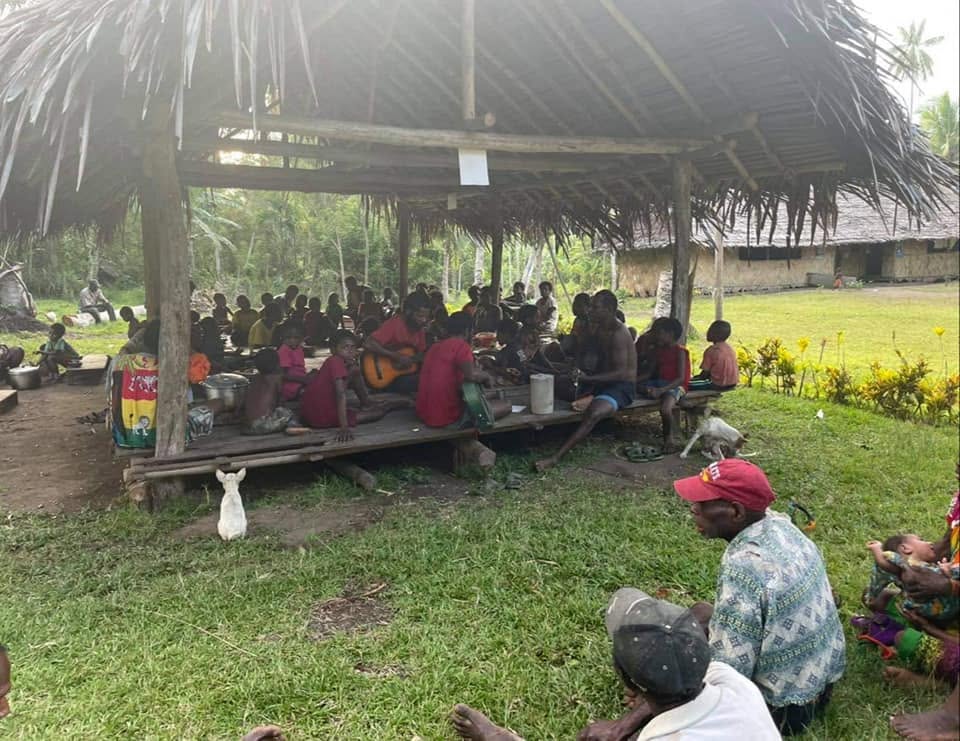
From Tim and Joan's public teaching
Ordinary people
Tim spent years assuming missionaries were a special class of Christian. His own story became evidence that God uses ordinary and unlikely people.
Read the storyMissionary skills
Truck driving, construction, farm work, and dental-office experience helped Tim and Joan see that missionary teams need far more than platform ministries.
Read the storyMissionary encouragement
Tim speaks candidly about the discouragement, separation, uncertainty, and pressure missionaries can face—and why Christ's presence matters in those moments.
Read the storyLanguage and culture
One ordinary greeting in Papua New Guinea became a memorable lesson in why enthusiasm cannot replace serious language and culture learning.
Read the storyFruit can take years
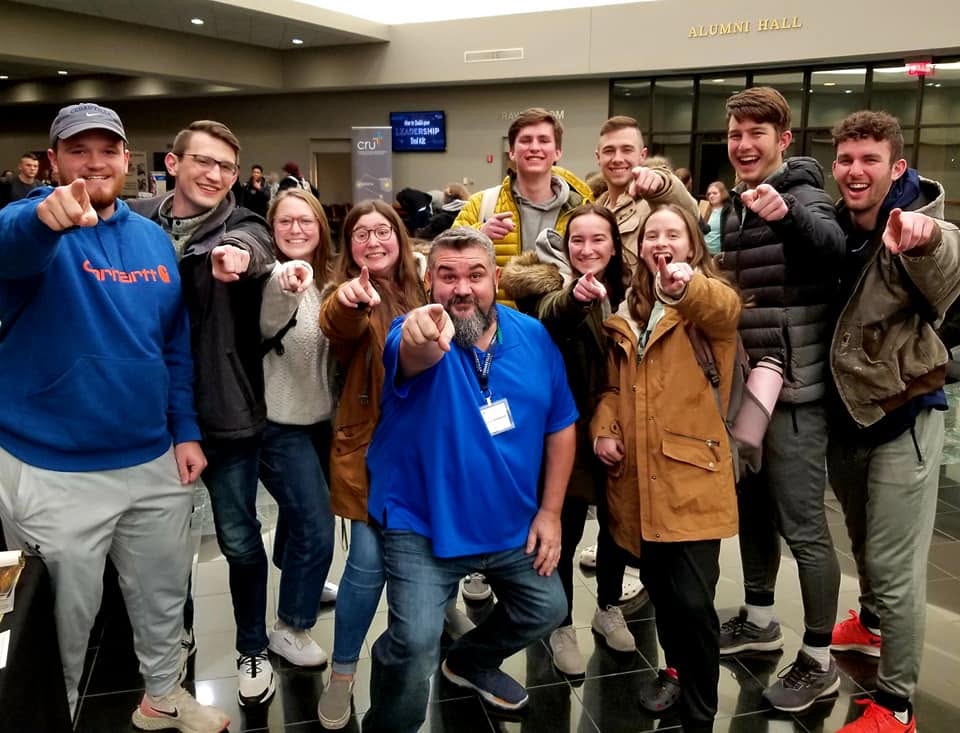
Tim and Joan have watched students hear about missions repeatedly, stay in relationship, pursue training quietly, and eventually walk through doors that were not visible during the first conversation.
Often they never know what part they played. That is part of why they resist the language of recruiting. Their responsibility is to educate, encourage, tell the truth, maintain relationships, and trust the Holy Spirit with the direction.
Some of the strongest real-life examples involve people whose names and stories should only become permanent website features with their permission. Until then, the principle remains worth saying: faithful encouragement may bear fruit years after the microphone is put away.
Hear the longer conversation
In the Go and Send episode, Tim traces the path from the film that first disturbed him, through years of feeling unqualified, into training, Papua New Guinea, support ministry, team relationships, and the next open door.
The story is not a formula. It is an invitation to stop waiting to feel extraordinary before becoming faithful.
Watch the full conversation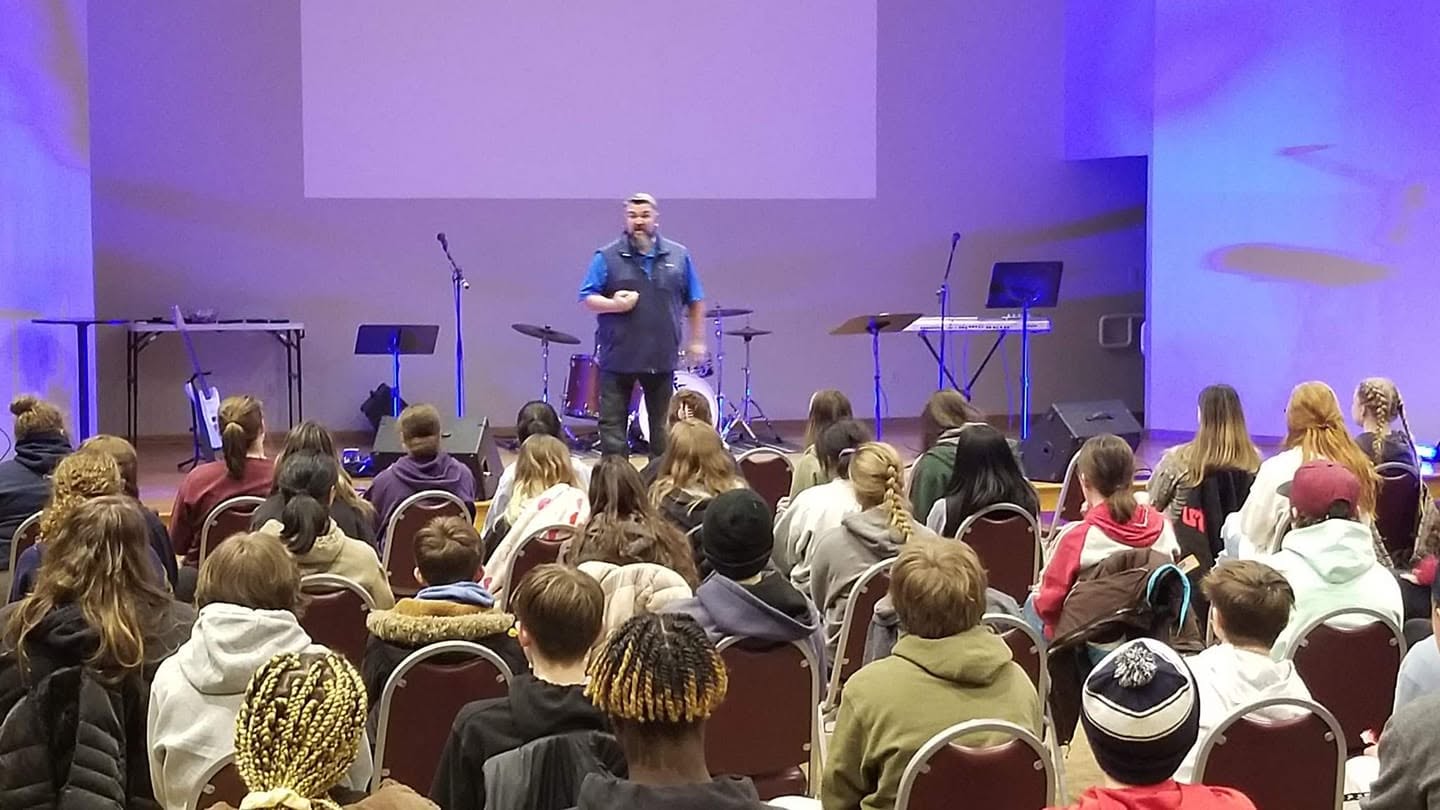
From the older archive
Let what you have seen lead to learning, prayer, service, sending, preparation, or a serious conversation.