Why missions remains unfinished
Jesus' mission, people groups, heart language, and why access cannot be measured by a pin on a map.
Bring the conversation to your group
Tim uses Scripture, field experience, honest setbacks, practical examples, and a storyteller’s timing to help people see Jesus, the unfinished task, and their next faithful step. Joan helps the visit become more than a platform moment through prayer, relationships, conversation, and follow-up.
Encouragers, not recruiters
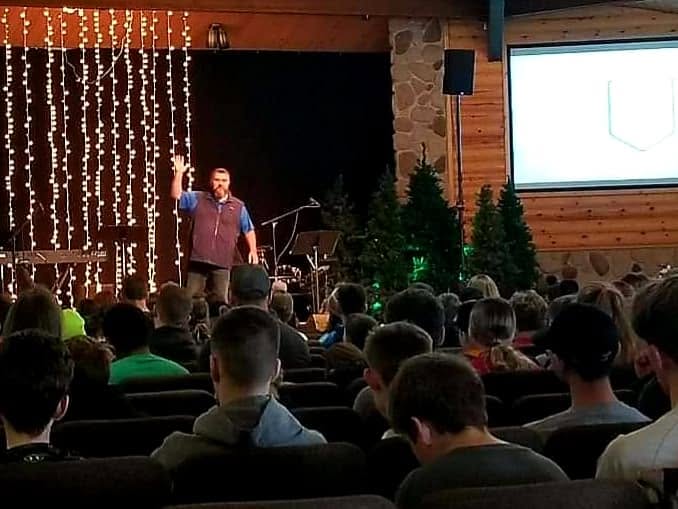
Tim does not begin by trying to recruit everyone for the same role. He begins with Scripture and helps the audience see why Jesus' mission still matters and why a church in every country does not mean every language community has meaningful gospel access.
Then he brings the work close: language learning, translation, literacy, support roles, teamwork, discouragement, perseverance, and the ordinary skills God uses along the way.
The final question is practical: what can this student, family, pastor, missionary, or church do next?
“We’re trying to help people take the next step.”Tim Carmical
Different rooms, one biblical center
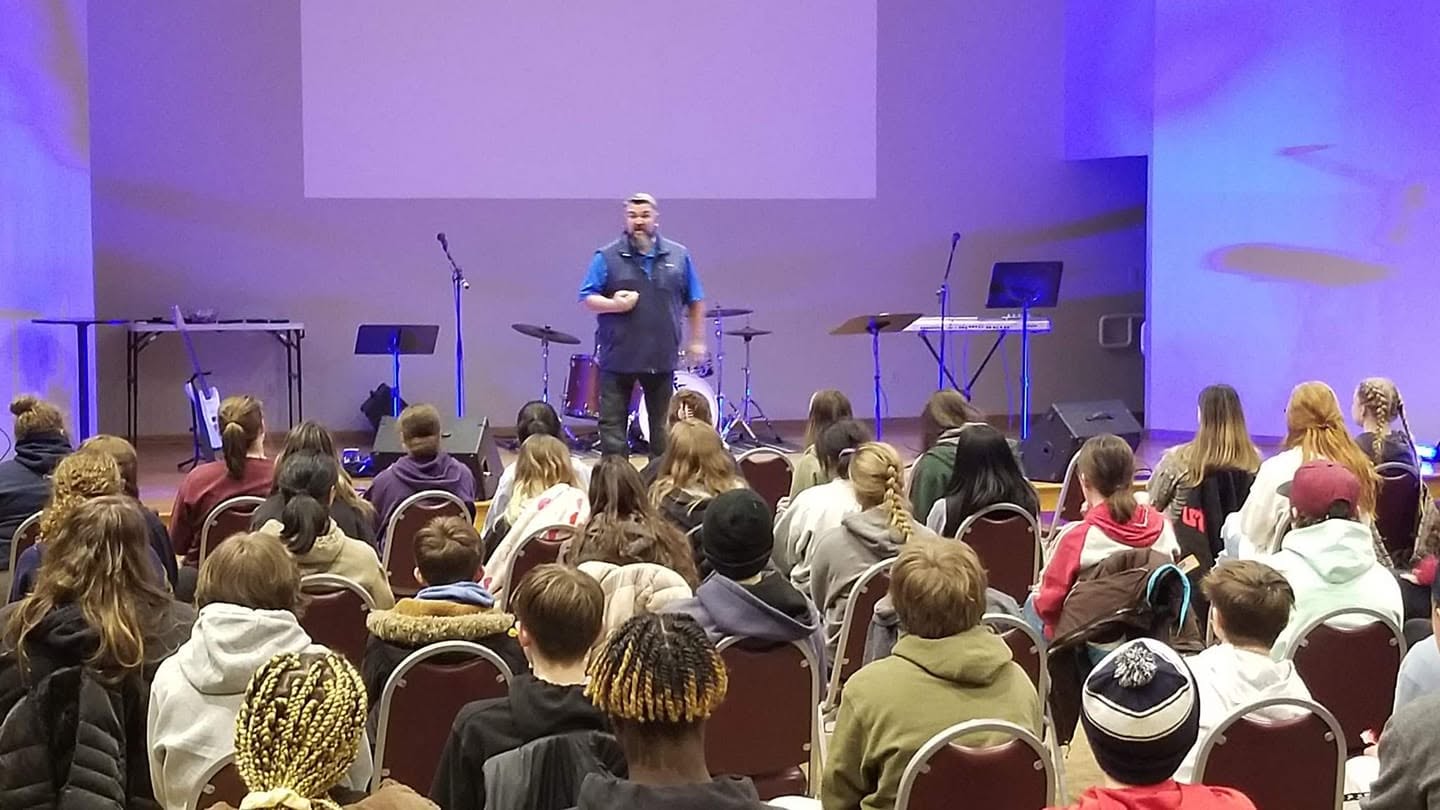
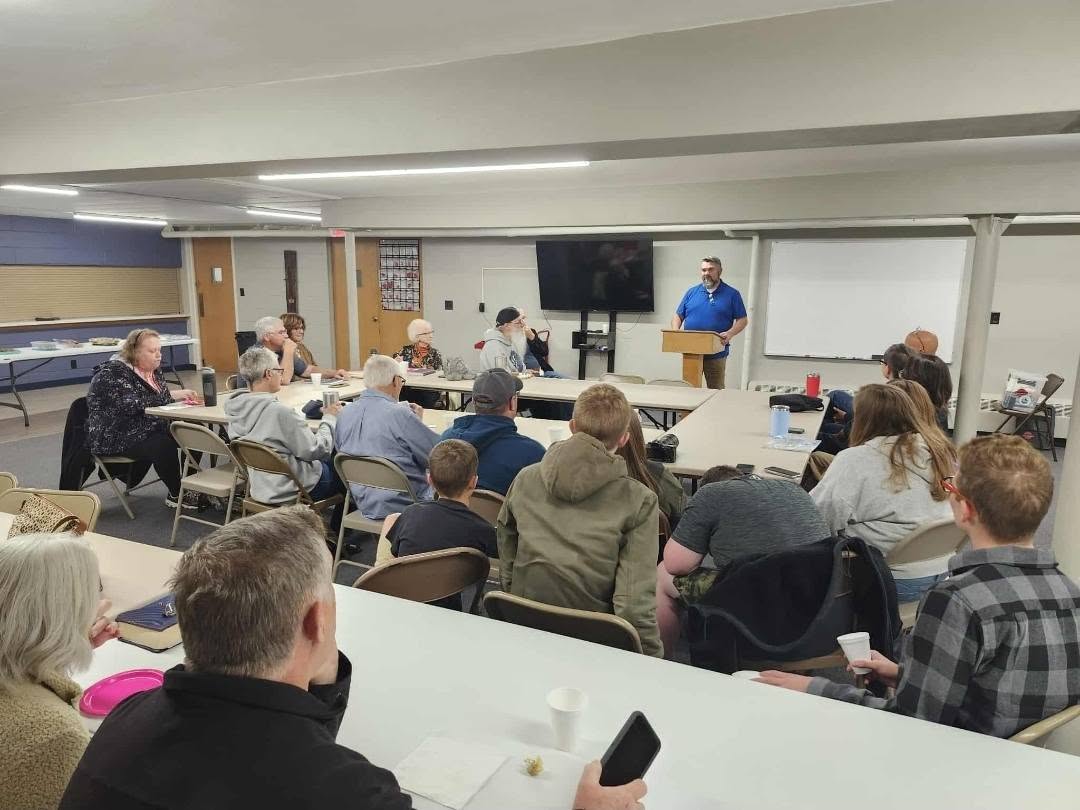
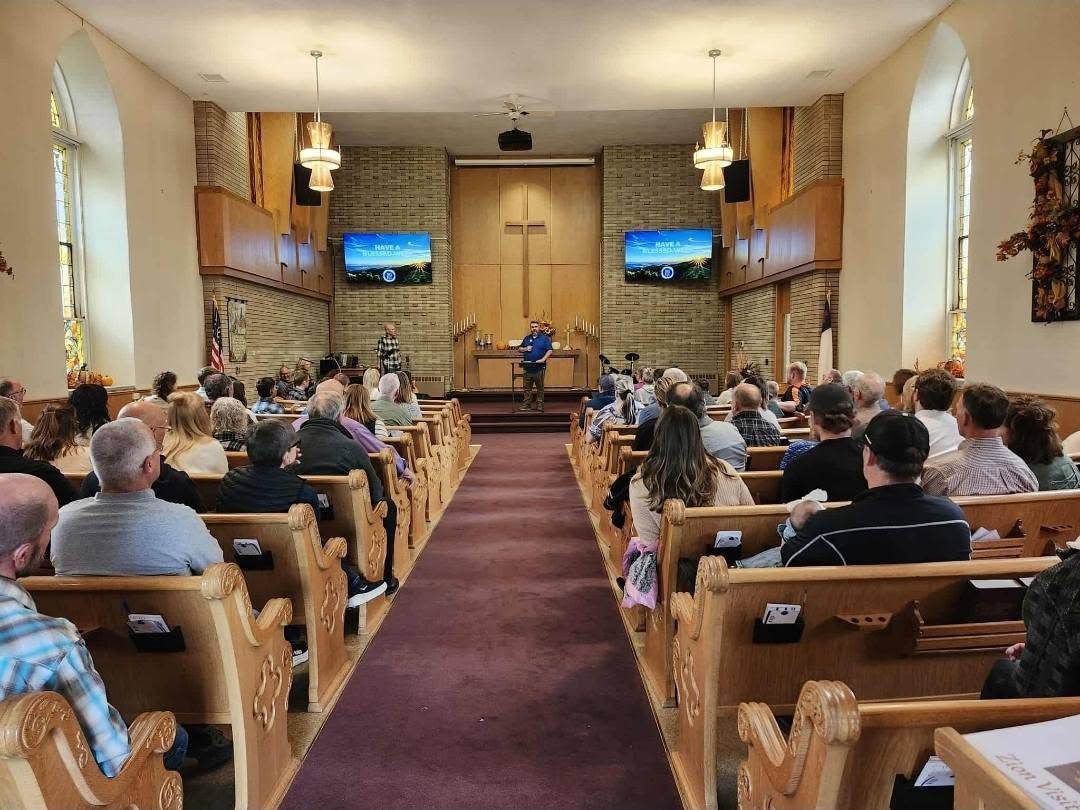
A junior-high chapel, a missionary retreat, a classroom around folding tables, and a Sunday sanctuary should not receive the same canned presentation. Tim adjusts vocabulary, stories, pacing, and depth while keeping Scripture central.
Recurring messages from Tim's teaching
Jesus' mission, people groups, heart language, and why access cannot be measured by a pin on a map.
Unlikely people, ordinary work, practical skills, willingness, and why preparation still matters.
Language and culture learning, literacy, Scripture translation, Bible teaching, discipleship, and local leadership.
Christ's authority, the Great Commission, fear, hardship, and the promise of His presence.
Prayer, receiving workers, giving, care, communication, missionary relationships, and helping the next generation see the need.
Biblical encouragement for missionaries and ministry workers facing fatigue, loss, discouragement, uncertainty, and the temptation to quit.
A message for missionaries too
Tim has spoken directly to missionaries about the parts of ministry that rarely fit the highlight reel: family separation, discouragement, lost support, fear, loneliness, and the moments when getting on the plane home sounds easier than staying.
He does not answer those pressures with missionary toughness. He points back to the authority and presence of Christ and reminds the church that sent workers should not carry difficult seasons alone.
Read the missionary encouragement storyMissionary retreats and care gatherings
Missions conferences and church weekends
College and training-program sessions
Pastor and missions-team conversations
The platform is only part
A student hangs back with a question. A family wants to talk about training. A pastor wonders how the church can send better. A missionary needs someone to listen without requiring a polished success story.
Tim and Joan make room for those conversations. Joan’s prayer, relational steadiness, and practical wisdom are especially important here. The ministry belongs to both of them even when Tim holds the microphone.
Meet Tim and Joan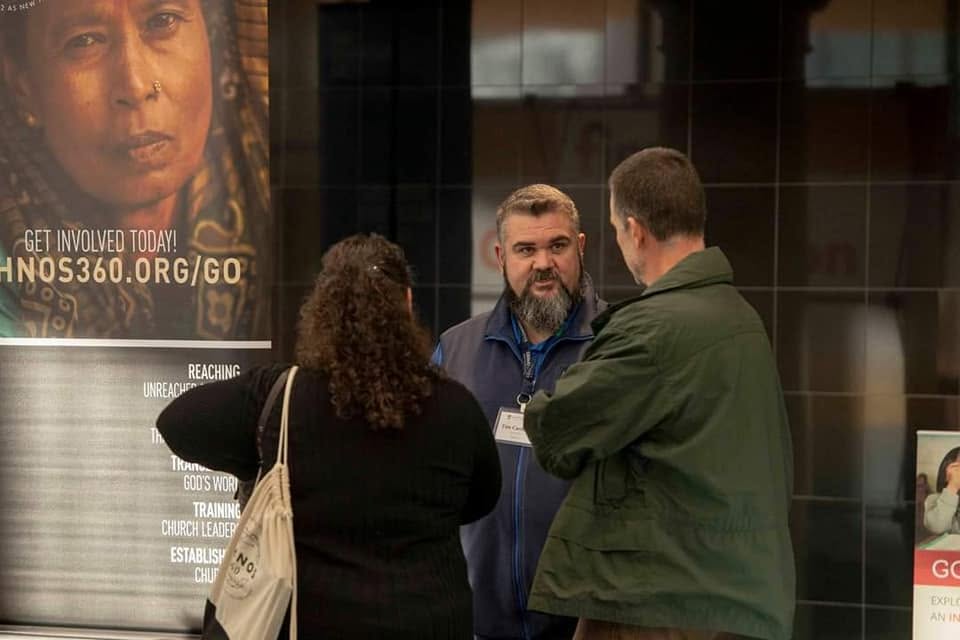
For churches
A strong missions event should not end when the guest speaker leaves. Follow-up can help students, families, leaders, and prospective workers keep taking useful steps.
Explore the church pathwayFor follow-up
One More Tribe now includes resources for prayer, ordinary skills, the church-planting process, and church missionary care.
Browse follow-up resourcesPlanning a visit
In your first note, include the date or date range, location, audience, approximate group size, available session length, and what you hope people will understand or consider afterward.
Yes. Tim’s background in youth ministry, teaching, missionary service, and mobilization allows him to adjust vocabulary, examples, pacing, and depth for different ages.
Yes. Time with students, families, leaders, missionaries, or individuals after the main session is often one of the most useful parts of a visit.
Yes. Healthy missions participation includes prayer, care, advocacy, financial support, hospitality, leadership, and helping missionaries remain connected to their churches.
Yes. Tim’s service and representative role are documented on his official Ethnos360 profile.
The first step is a simple conversation about your audience, setting, dates, and hopes for the visit.