Pray for the harvest
Use a simple biblical pattern for praying for laborers, teams, Scripture, churches, and sending congregations.
Use the prayer guideThinking about missions?
You need a clear view of Jesus, an honest view of the unfinished task, and enough willingness to take the next faithful step through the door in front of you.
Why missions?
Tim is quick to say that missions facts are not enough. A statistic may get attention, but Scripture gives the church its reason for going.
Matthew ends with the risen Jesus declaring that all authority belongs to Him, sending His disciples to make disciples among the nations, and promising His presence as they go. The mission begins with the worth and authority of Christ—not with our desire for adventure or our ability to solve a global problem.
The One who sends His people is also the One who promises to go with them.Matthew 28:18–20
Why the task remains unfinished
One country can contain hundreds of languages, cultures, and communities that rarely share daily life. A church in the capital does not automatically mean people in a distant village—or a different neighborhood of the same city—can understand the gospel.
The better question is: Can this community hear Scripture in the language it understands best, and is there a healthy church able to teach, disciple, lead, and send its own people?
Explore the unfinished task through Ethnos360What does reaching a people require?
The work is more patient than a map can show. Missionaries learn people well enough to communicate Scripture clearly and remain long enough for a local church to grow toward maturity.
Listen long enough to understand how people communicate, relate, reason, and hear familiar ideas.
Relationships grow through ordinary life, humility, listening, mistakes, correction, and patient presence.
When Scripture will be written, people need a practical way to read and write their own language.
God's Word must communicate accurately in words and ideas people actually understand.
Careful Bible teaching helps people understand who God is, what sin has done, and why Jesus is truly good news.
New believers need Scripture, relationships, correction, encouragement, and time to grow together.
The goal is a healthy church able to teach, lead, care, worship, correct, and carry the gospel forward.
Why language and culture matter
Tim tells about an early interaction in Papua New Guinea when he misunderstood an ordinary local greeting and responded in a way he did not intend. It became a memorable lesson: enthusiasm cannot substitute for understanding.
Language and culture learning are not a delay before the real ministry begins. They are part of loving people well enough to know what our words and actions are actually communicating.
Read the story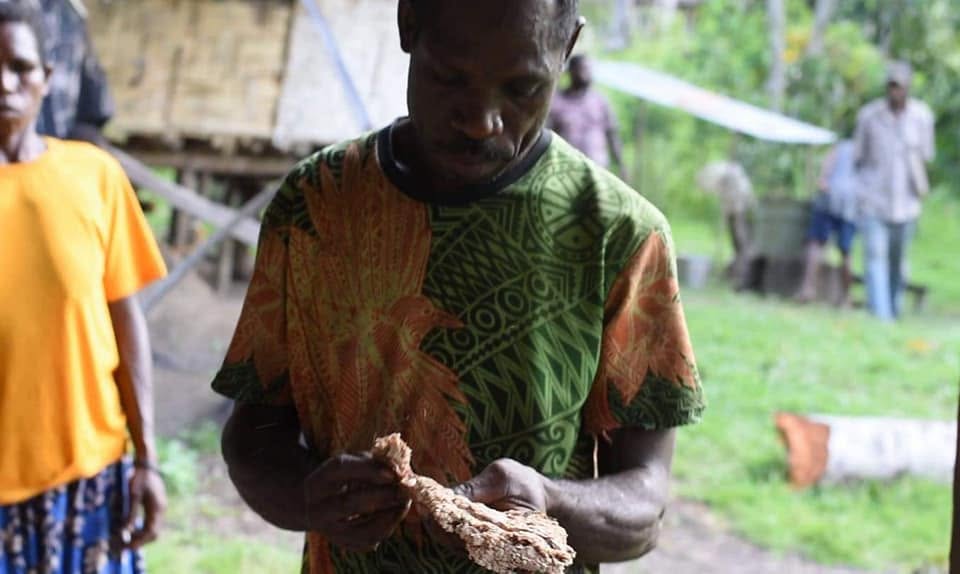
Who belongs on the team?
Church planting needs Bible teachers and translators. It also needs mechanics, pilots, teachers, medical workers, builders, bookkeepers, administrators, drivers, communicators, hosts, and people who know how to care for families under pressure.
Tim drove trucks and worked on a farm. Joan worked in a dental office. Those experiences did not disappear when they entered missions. They became part of how they served.
Calling is not a shortcut around preparation. But ordinary skills are not proof that you are unqualified. They may be part of what God is preparing to use.
Explore what is already in your hands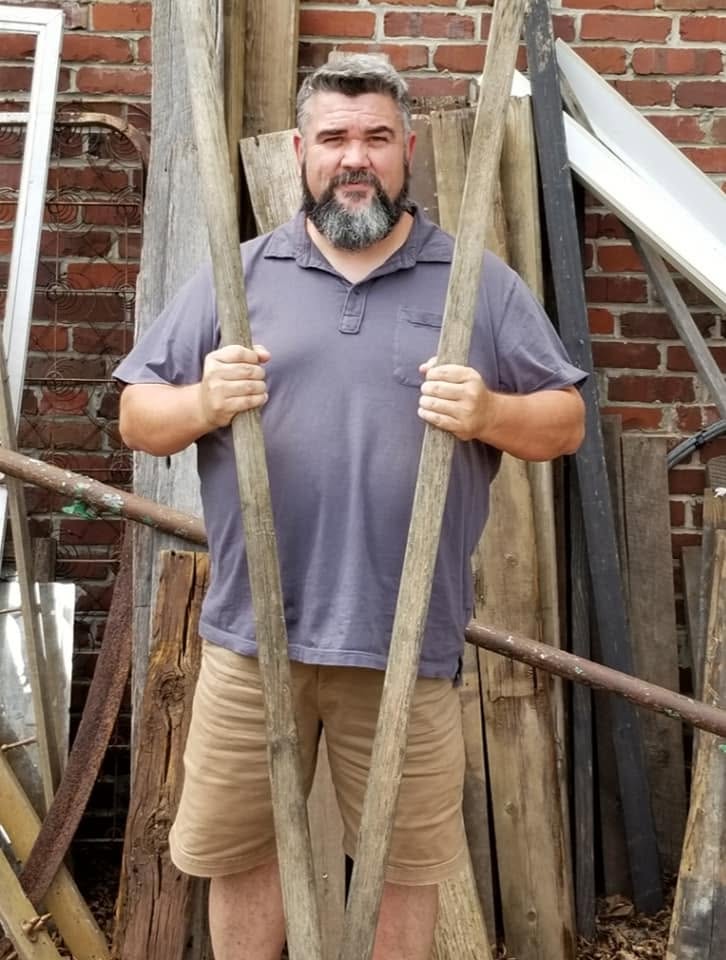
The whole church participates
Jesus' teaching leaves room for the whole church to participate. People pray for laborers, receive workers, give, write, encourage, host, advocate, and help families remain faithful through seasons that are harder than the public stories usually show.
Supporting those who are sent is not a lesser version of missionary involvement. A healthy sending church helps carry the work.
See how churches can send and care well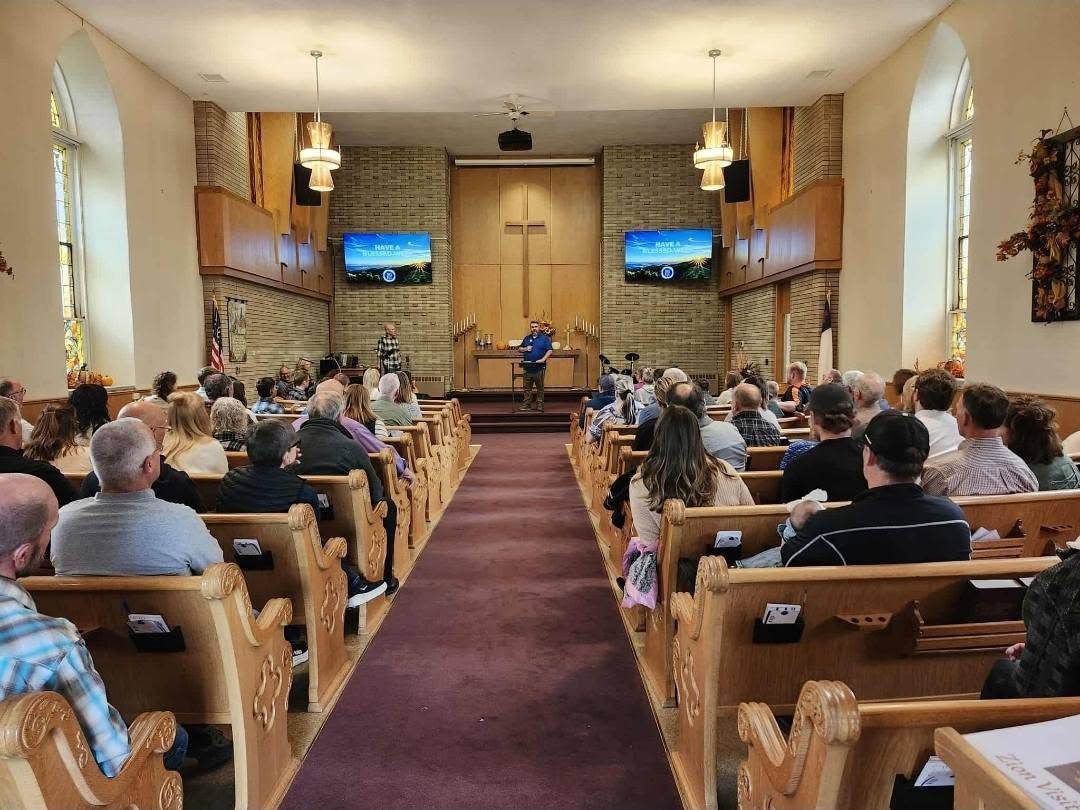
Where do I begin?
You can explore missions seriously without pretending you already know where the road ends.
Let Scripture shape your reason for caring about the nations before a statistic or story does.
Understand people groups, heart language, church planting, and why the work remains unfinished.
Choose a people group, region, or missionary team and pray specifically enough for the need to become personal.
Become dependable in your church. Learn teamwork, humility, patience, forgiveness, and care for people.
Talk with missionaries, attend a missions event, visit a training program, or pursue a thoughtful short-term experience.
If the path continues to open, pursue the biblical, relational, cultural, and practical preparation long-term service requires.
A longer conversation
In this Go and Send conversation, Tim tells how a junior-high film planted a question, why he spent years feeling unqualified, and how practical work, formal training, team relationships, setbacks, and open doors shaped their years in Papua New Guinea.
The next step usually becomes visible while you are faithfully taking the one in front of you.
Watch the complete Go and Send episodeKeep exploring
Use a simple biblical pattern for praying for laborers, teams, Scripture, churches, and sending congregations.
Use the prayer guideBring an Ethnos360 representative into a church or group conversation about the biblical basis and practical realities of missions.
Explore the sessionsA thoughtful trip can help you see long-term ministry more clearly and test your willingness to prepare.
View opportunitiesTalk it through
Tim and Joan regularly talk with students, families, and churches about calling, training, practical skills, sending, and the next open door.
Contact Tim and Joan