Understand before assuming.
Language and culture learning protect missionaries from giving accurate answers to questions people are not actually asking.
Jesus is worthy. The work is unfinished.
The risen Jesus has all authority and sends His people to make disciples among the nations. Entire language communities still have little or no meaningful access to that good news. One More Tribe helps the church see the need clearly and take the next faithful step.

The reason comes before the numbers
Tim does not want a statistic, a map, or a dramatic story to become the deepest reason someone cares about missions. The center is Jesus—who He is, what He accomplished, what He commanded, and His promise to remain with His people as they go.
Facts help us see the need. Scripture tells us why the need matters. Missions is not a cause competing for attention. It is part of the church’s response to the King who is worthy of worship among every people.
See the biblical purpose and the unfinished taskThe goal is not to make missions itself impressive. The goal is to help people see Jesus clearly enough to care where His name is still unknown.One More Tribe
The map is full. The work is not.
A country may contain churches, seminaries, and Christian bookstores while a community within that same border still has no one who can explain the gospel clearly in the language people understand best.
What does reaching a people require?
Missionaries do not arrive with a translated sermon and leave with a finished church. They learn language and culture, become neighbors, help develop literacy, translate Scripture, teach carefully, disciple believers, and prepare local leaders to carry the work forward.
Language and culture learning protect missionaries from giving accurate answers to questions people are not actually asking.
Literacy, translation, and careful Bible teaching help people understand who God is, what sin has done, and why Jesus is good news.
The goal is a healthy church able to teach, lead, care, correct, worship, and carry the gospel forward without dependence on outsiders.
God uses ordinary people
Tim spent years believing missionaries belonged to a special category of Christians. A missionary finally helped him see that truck driving, construction, sawmill work, and practical problem-solving could serve a missionary team. Joan’s dental-office experience could serve too.
Willingness does not replace training. But ordinary work is not proof that you are unqualified. God often begins with people who are willing to learn and then uses abilities they never thought belonged in missions.
Take inventory of what God could use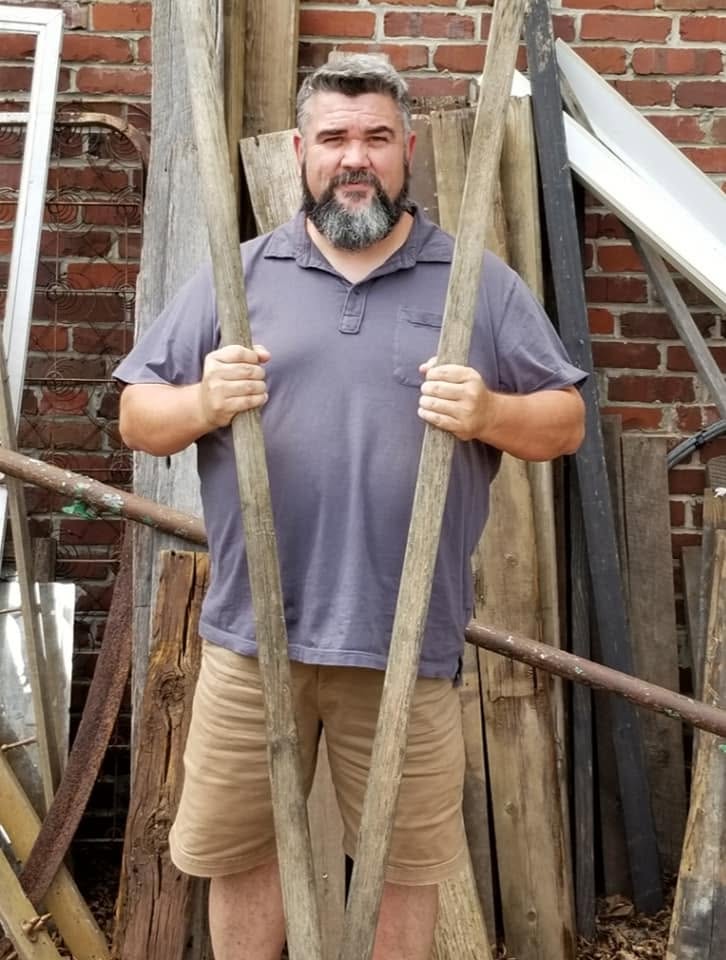
The church is part of the team
Jesus’ words in Matthew 10 leave room for the whole church. Some are sent. Others receive, pray, give, write, encourage, host, advocate, and help sent workers remain faithful through hard seasons.
A healthy sending church knows its missionaries as people, not merely names on a support list. It helps the next generation see the need, prepares prospective workers honestly, and stays in relationship after the commissioning service is over.
Help your church send and care well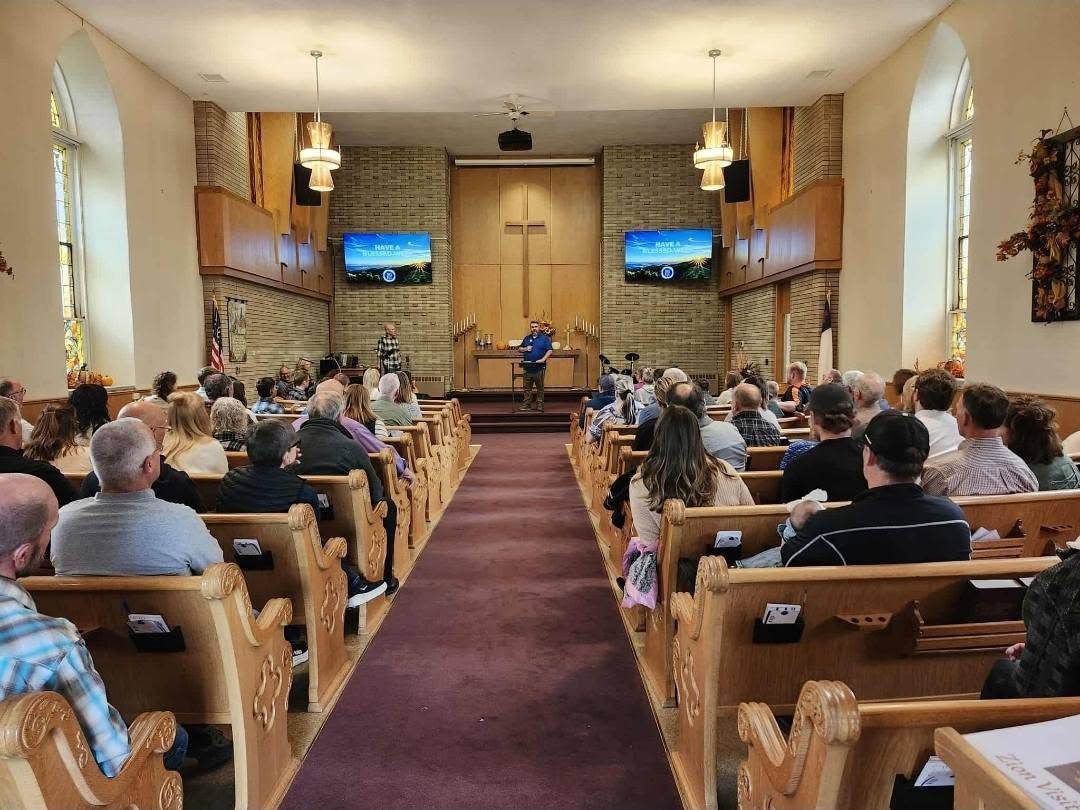
Real stories make the work concrete
Tim and Joan’s stories are useful when they help someone recognize the same truth in a new setting: God uses ordinary people, long-term work requires patience, and the next step often becomes visible while you are walking.
Ordinary people
Tim spent years assuming missionaries were a special class of Christian. His own story became evidence that God uses ordinary and unlikely people.
Read the storyMissionary skills
Truck driving, construction, farm work, and dental-office experience helped Tim and Joan see that missionary teams need far more than platform ministries.
Read the storyMissionary encouragement
Tim speaks candidly about the discouragement, separation, uncertainty, and pressure missionaries can face—and why Christ's presence matters in those moments.
Read the storyEncouragers, not recruiters
They are not trying to produce the same dramatic decision from every room. Their role is to tell the truth, open Scripture, answer questions, maintain relationships, and help people take the next faithful step while trusting the Holy Spirit with the direction.
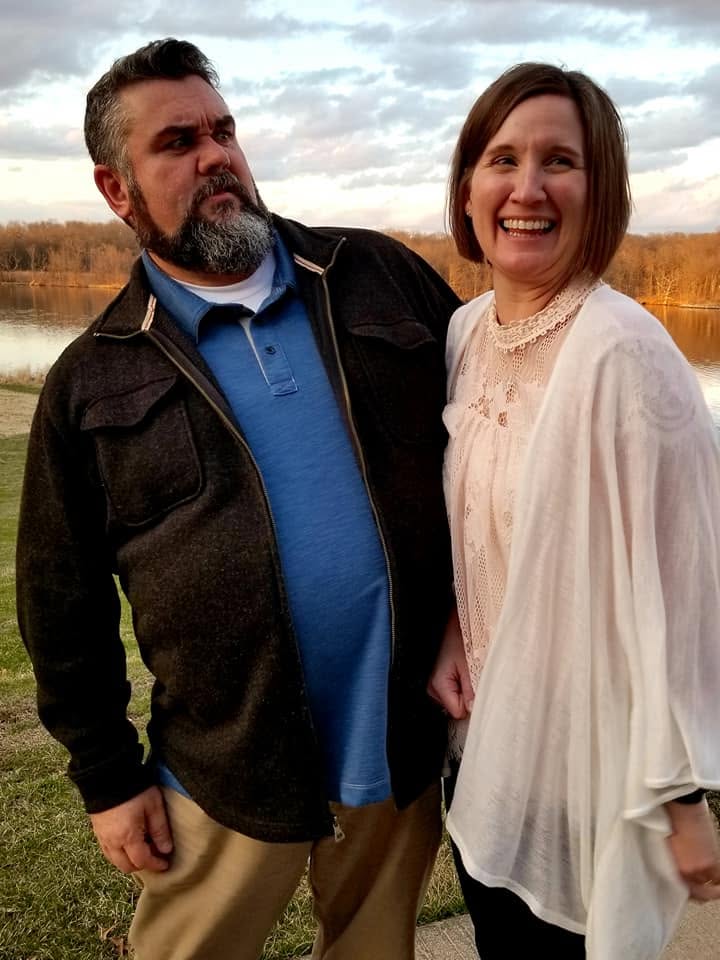
Tim often carries the microphone. Joan carries much of the relationship around it—prayer, conversation, practical judgment, hospitality, family life on the road, and the steady work of helping people remain connected.
Learn. Pray. Serve. Send. Care. Prepare. Explore. Go if God keeps opening that road.