
Meet Tim and Joan
They are encouragers, not recruiters.
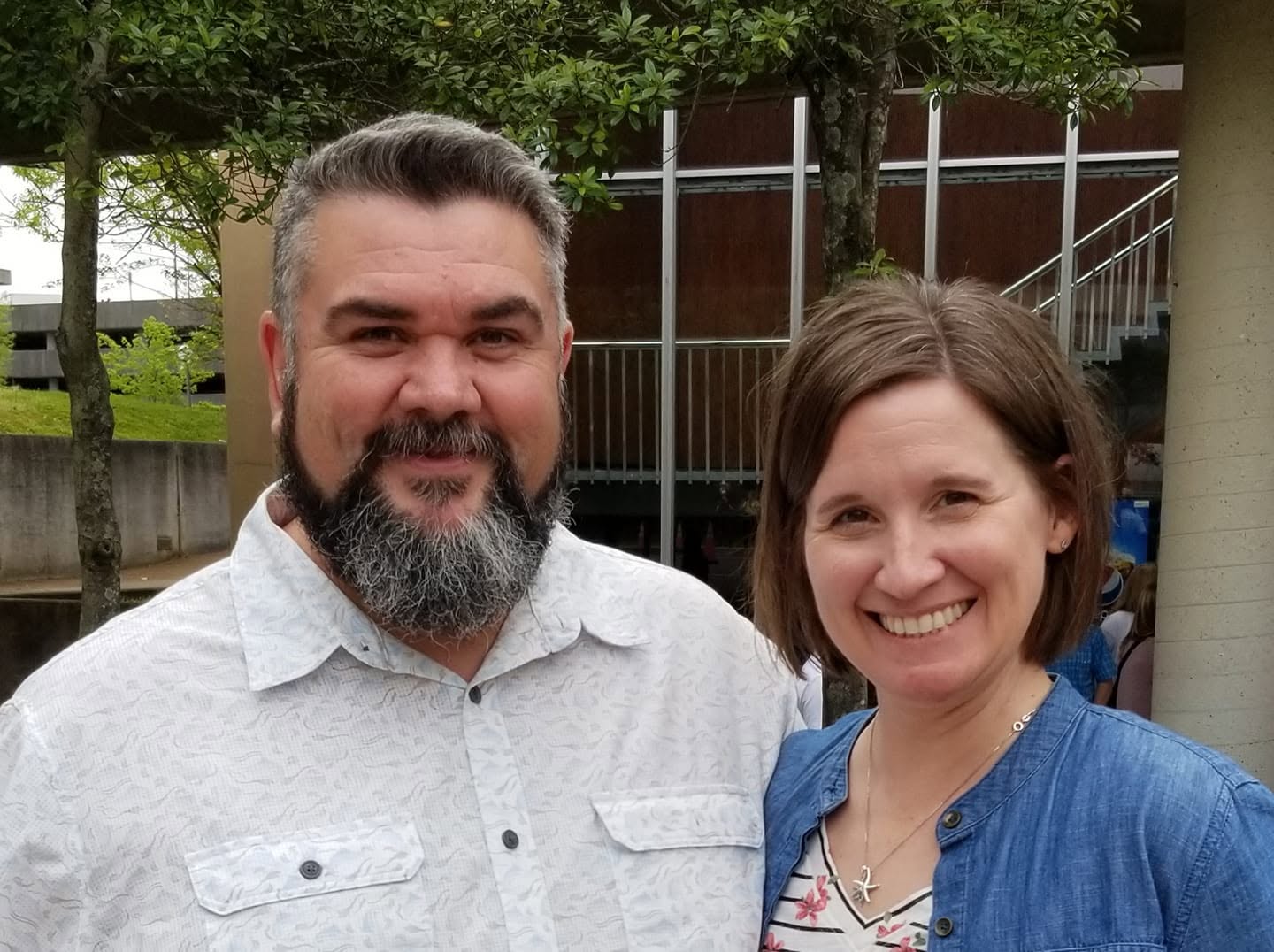
Tim and Joan Carmical are Ethnos360 missionaries and mobilizers. They tell the truth about the unfinished task, open Scripture, build relationships, and help ordinary believers take the next faithful step while trusting the Holy Spirit with the direction.
The story Tim could not forget
The question followed him home.
In junior high, Tim watched EE-TAOW! The Mouk Story. For the first time, he understood that an entire language community could live and die without anyone explaining the gospel in words and ideas people understood.
Tim did not leave the room thinking he was the obvious missionary candidate. He spent years assuming nearly the opposite. But once he knew the need existed, he could not make it unknown again.
Watch the film that began the question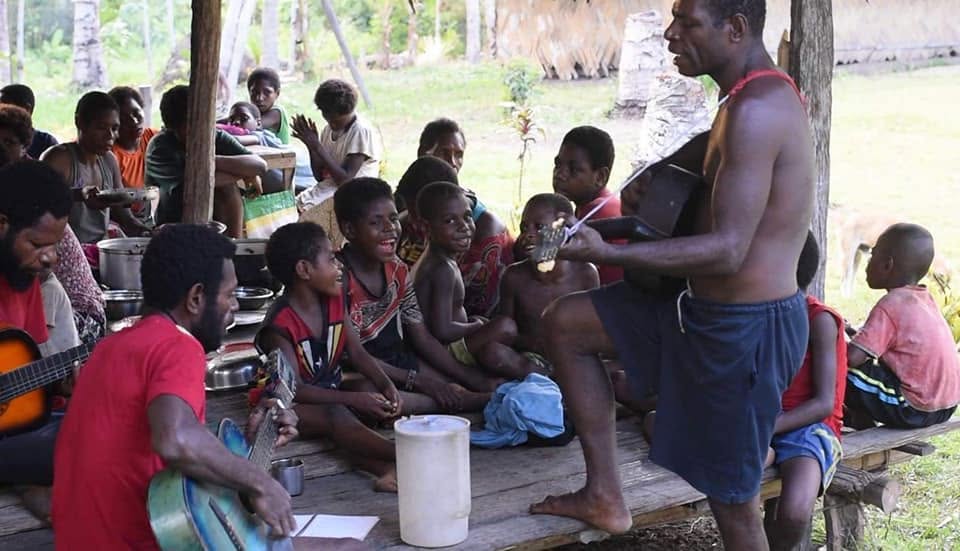
The category was too small
Ordinary work came with them.
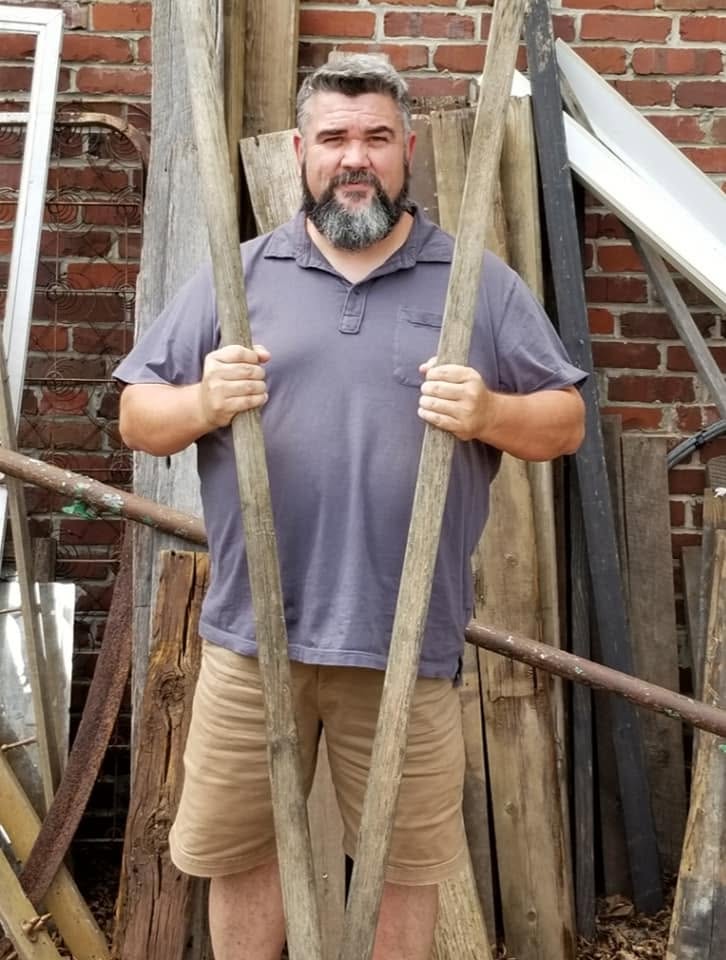
Tim worked on Joan’s family farm, drove trucks, used a sawmill, helped build, served junior-high students, and did the practical work that needed to be done. Joan worked in a dental office and brought a steadiness with people that mattered long before either of them lived overseas.
Then a missionary helped them see how many kinds of people long-term missions actually needs. The work suddenly had room for the lives they already knew.
“The only way we could not be involved in some way is if we unlearned what we just learned.”Joan CarmicalRead how ordinary skills began to count
Willingness became preparation
They still had much to learn.
Discovering that ordinary people could serve did not mean Tim and Joan were ready for long-term cross-cultural ministry. They pursued Bible training, missionary preparation, support development, teamwork, and the long process of learning how little good intentions can accomplish without understanding.
That balance remains central to One More Tribe: God uses unlikely people, and the people we hope to serve deserve missionaries who prepare seriously.
Willingness matters. You do not need the whole route before taking the first step.
Training matters. Scripture, culture, language, relationships, and practical competence deserve time.
Character matters. Teams need humility, forgiveness, teachability, and grace under pressure.
Six weeks became about two years
The work behind the work.
A supply center near town served five church-planting teams in remote communities. Someone had to purchase and move supplies, maintain the property, communicate by radio, host families, teach children, and help solve whatever broke next.
Tim and Joan expected a short assignment. The need kept being real, so they stayed. Their support allowed other families to remain in their communities learning languages, translating Scripture, teaching, and discipling.
Read the Papua New Guinea story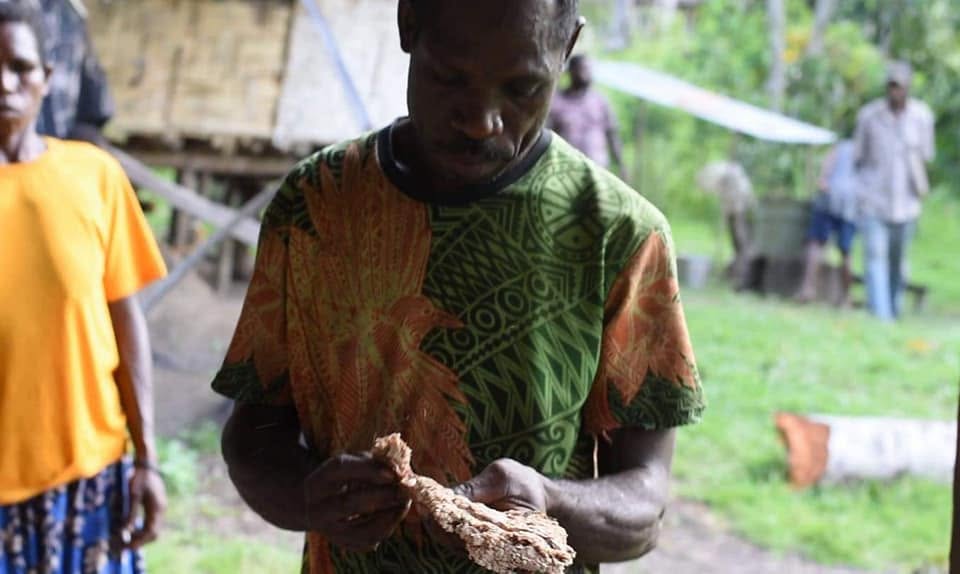
Joan's side of the road
Faithfulness needs roots.
When Joan talks about sustaining ministry through long travel, family pressure, difficult years, and uncertainty, she comes back to Scripture, prayer, and the sovereignty of God.
Her role is not simply to make Tim’s speaking ministry possible. Joan helps carry the relationships, family life, prayer, hospitality, practical judgment, follow-up, and quiet care that let the ministry remain human.
The road has required them to make time for family rather than assume the calendar will make it for them. That honesty belongs in their story too.
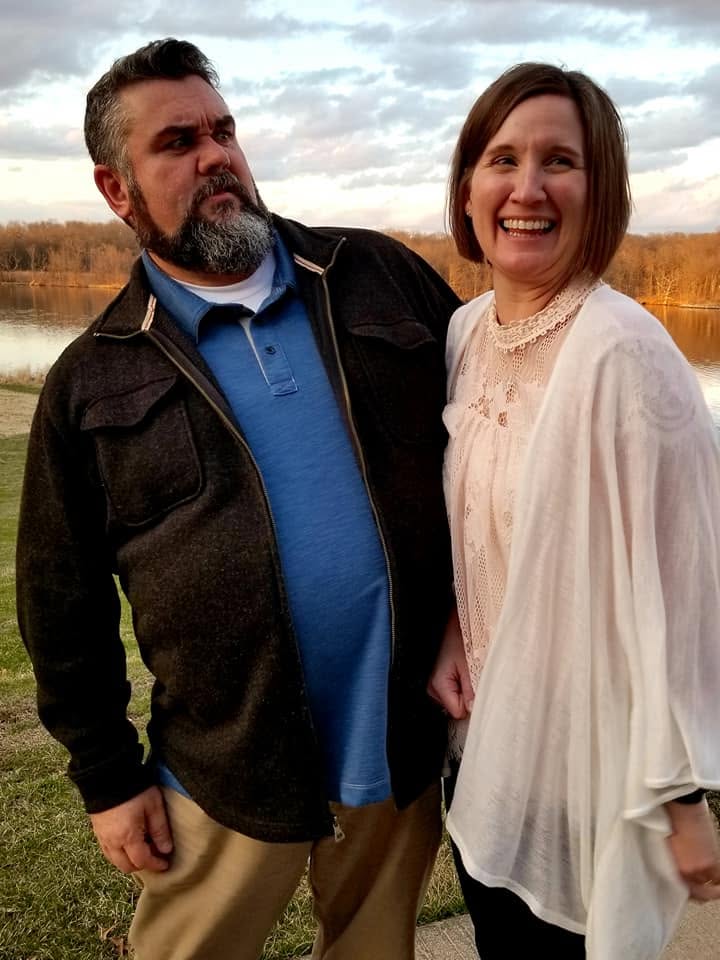
The work came home with them
The ministry now has an odometer.
After Papua New Guinea, a representative role that did not look like the original plan became the work in front of them. Today their schedule is full of miles, unfamiliar rooms, meals with people they just met, and conversations with students, families, churches, and missionaries.
Tim often tells the story from the front of the room. Joan notices what will help the relationship continue after the microphone is turned off.
They are not trying to manufacture the same response from everyone. Their goal is to help people understand enough to take an honest next step—and then remain available as the next step becomes another.

Why One More Tribe exists
The story points beyond them.
Their field experience gives the message weight. Their mistakes keep it human. Their stories help people imagine the work. But the question is not, “Could you become like Tim and Joan?”
It is: “What has God already placed in your life, what has He shown you in His Word, and what faithful step can you take next?”
“We’re not recruiters. We are encouragers.”Tim Carmical