
The work behind the work
The church-planting team remains only when many people help carry the load.
Logistics, maintenance, hospitality, education, communication, and friendship are not side ministries. They create the space for language learning, translation, Bible teaching, discipleship, and a local church to take root.
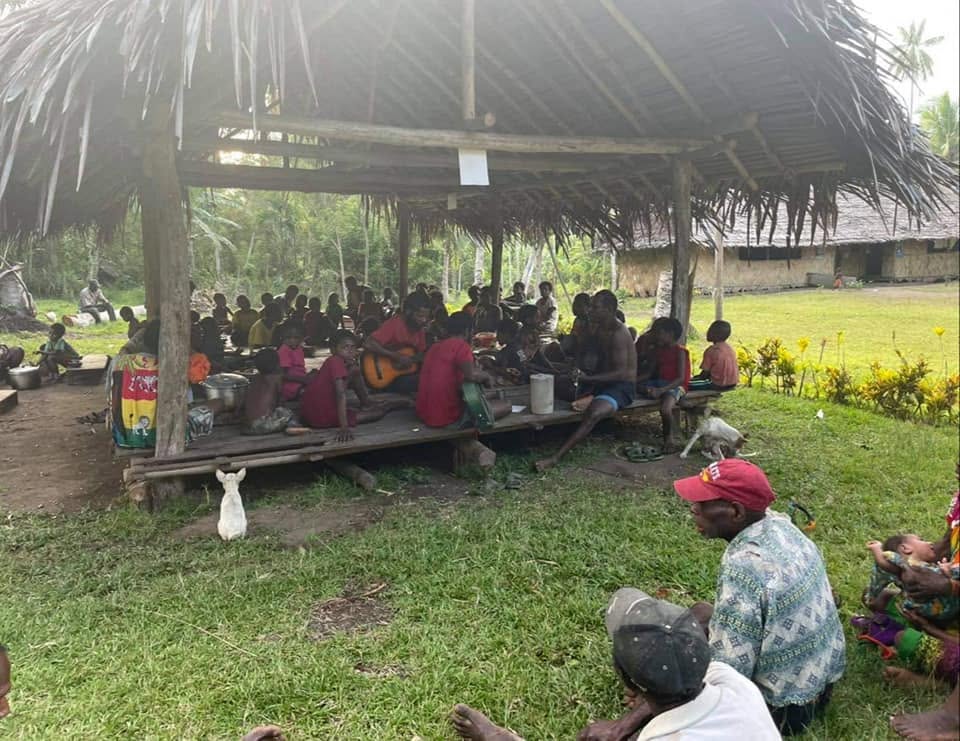
A short assignment that refused to stay short
Six weeks became two years.
Five church-planting teams in remote communities needed someone near town to purchase supplies, communicate by radio, maintain the property, and give families a safe place to stay when they had to come in.
Without that help, the teams took turns leaving their communities to run the center themselves. Every trip away could interrupt language study, literacy work, Bible translation, teaching, and discipleship.
Tim and Joan arrived expecting to fill a gap for six weeks. The gap was still there when the calendar said it should be someone else’s problem. So the short assignment became the work in front of them.
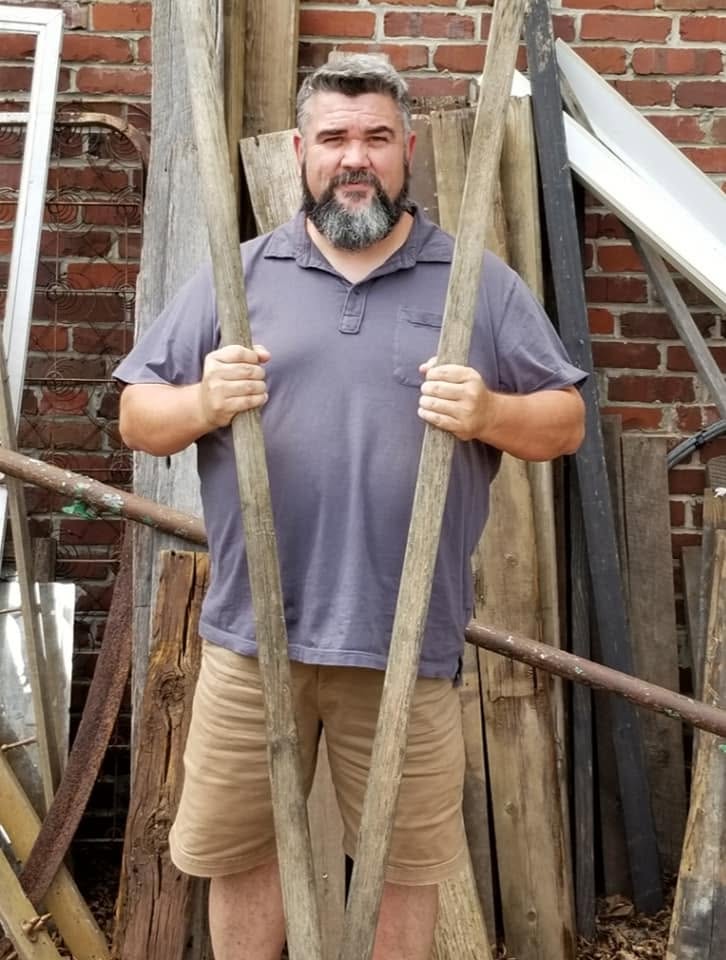
Many roles, one purpose
Many roles. One purpose.
It needs people who can teach children, repair machinery, manage finances, fly airplanes, maintain buildings, provide healthcare, move supplies, host families, and notice when someone is running out of strength.
Tim’s background in driving, construction, maintenance, and logistics mattered. Joan’s dental experience, hospitality, judgment, and care for people mattered. Their willingness to take unexpected work seriously mattered.
Whatever helps a church-planting team learn a language, translate Scripture, teach clearly, disciple believers, and remain healthy contributes to the same purpose.
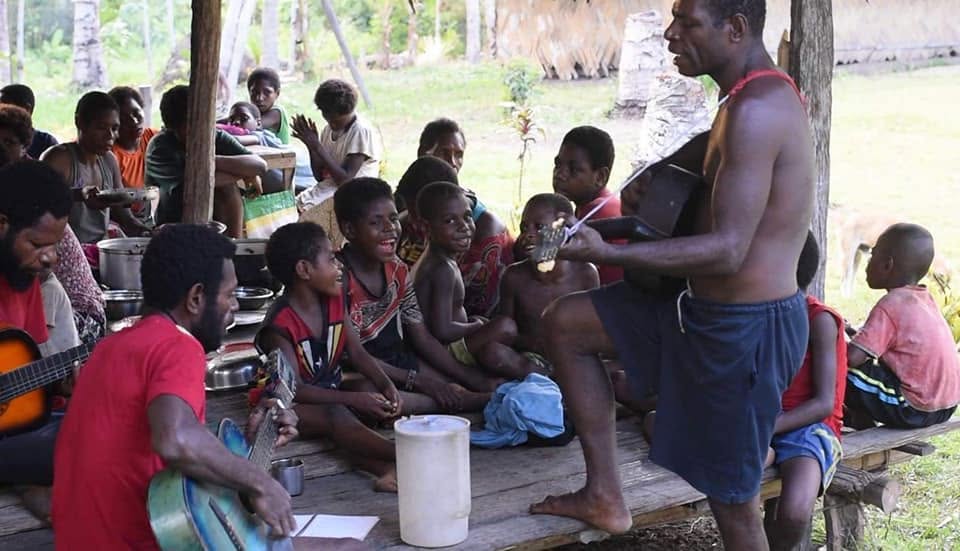
Becoming neighbors
Becoming neighbors takes time.
Tim and Joan asked to be included in neighborhood meetings and joined local residents cutting roadside grass with bush knives. They were not running an outreach program. They were learning what neighbors did and showing up to help.
Later, when children threw rocks onto their metal roof, a grandmother in the neighborhood defended them. That did not happen because of a polished presentation. It grew from shared life, respect, and belonging.
Cross-cultural ministry requires humility before vocabulary. People are not ministry projects. They are neighbors whose language, work, family, and community deserve patient attention.
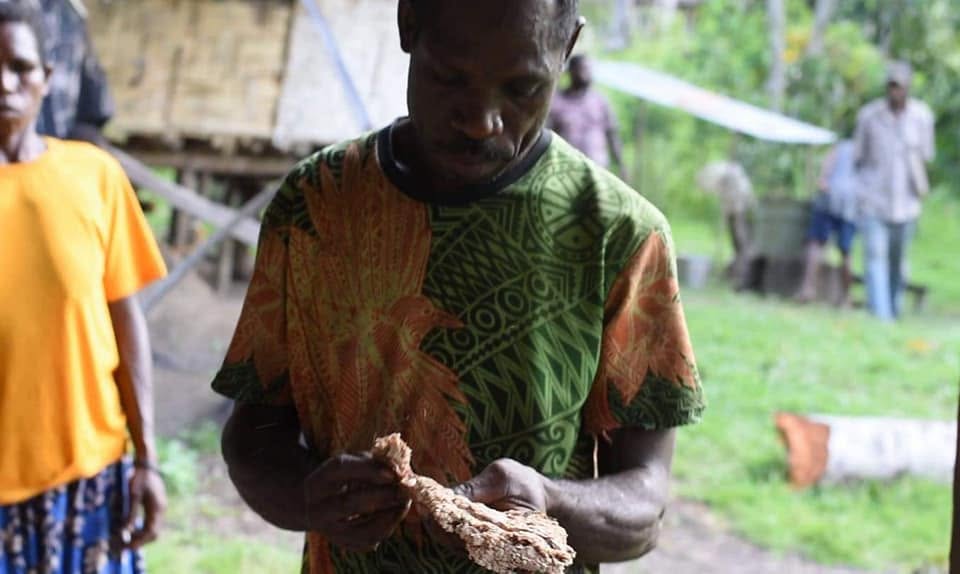
Teams need grace as much as skill
Teams need grace under pressure.
Missionary life can include isolation, fatigue, illness, uncertainty, disagreement, and conflict. A team may be trying to understand a new culture while its own relationships are under pressure.
Preparation must teach people more than language methods and Bible lessons. It must help them listen, forgive, solve problems, receive correction, care for families, and remain faithful together.
The goal is not merely to survive a difficult assignment. It is to live in a way that does not contradict the message being taught.
What Tim and Joan carried home
Preparation matters. Good intentions do not replace biblical depth, language learning, cultural humility, or tested character.
Teams matter. Different gifts become strength only when coworkers learn to love one another under pressure.
Support work matters. Helping another missionary remain healthy and in place is meaningful missionary service.
Neighbors matter. Trust grows through listening, participation, patience, and respect.
What is already in your hands?
Your work, skills, relationships, and willingness may have a place in reaching one more.