
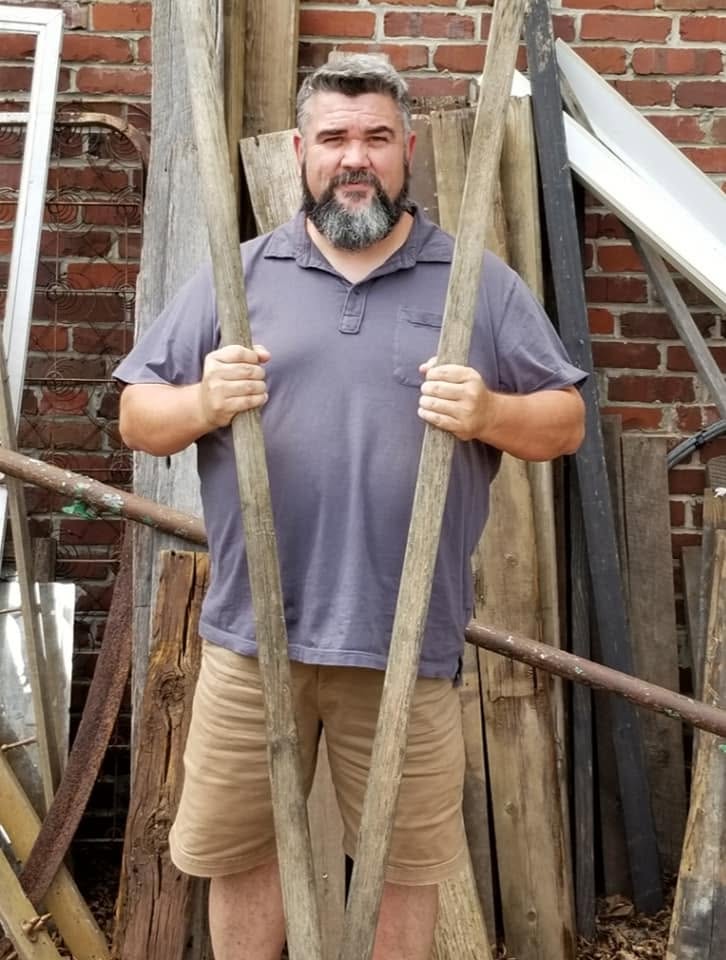
For years, Tim thought missionary work required a short list of specialized jobs.
Then a missionary started asking different questions.
Had Tim ever cut lumber or helped build? Yes. His family had a sawmill and he knew practical work. Had he driven trucks? Yes. He had spent long hours on the road. Could those skills help move supplies to missionaries serving in remote places? Absolutely.
Then the missionary turned to Joan. She worked in a dental office. Could a missionary dentist use someone with dental-office experience? Of course.
The work got bigger
Nothing about Tim and Joan’s résumés changed in that conversation. Their understanding of the work changed.
Church planting among an unreached people may depend on Bible teachers and translators. It can also depend on people who repair machinery, teach children, manage money, move freight, maintain buildings, provide healthcare, organize schedules, host exhausted families, and solve ordinary problems before those problems pull a church-planting team away from language learning and discipleship.
Preparation still matters
Recognizing useful skills is not the same as being ready for long-term cross-cultural service.
Tim and Joan’s story includes training, learning, correction, teamwork, mistakes, and years of preparation. But that preparation did not erase the life they already had. It gave those experiences a larger purpose.
Your current work may not be a detour from usefulness. It may be part of the material God is already shaping.